What Happens During Escrow? A Step-by-Step Guide to Closing on Your Home
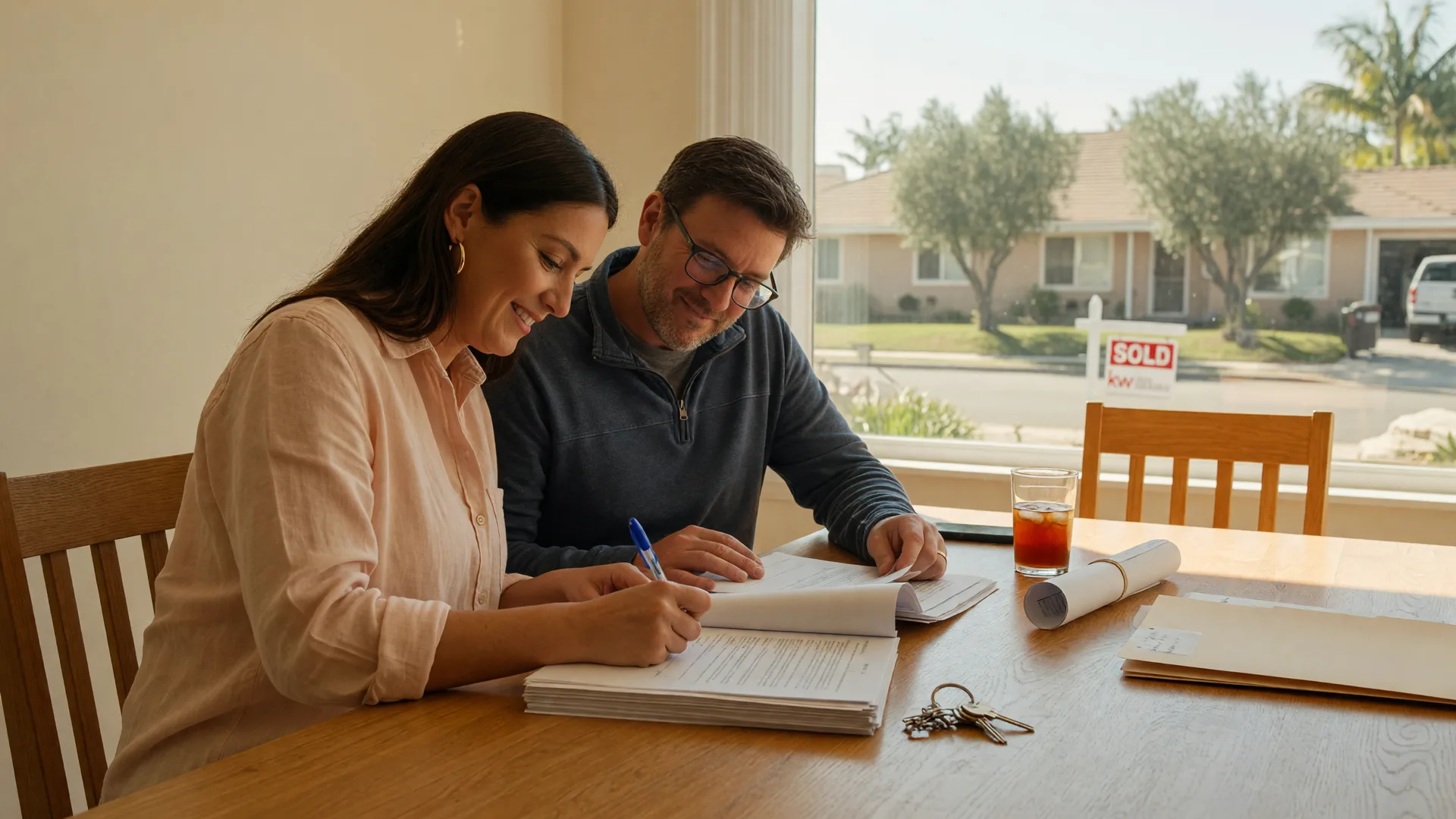

Once your offer is accepted, you enter escrow, the period between signing the purchase agreement and the day you get the keys. For many buyers, this is the most anxious stretch of the whole process, because a lot happens behind the scenes and it can feel like you're waiting in the dark. Here's a clear, step-by-step look at what escrow actually involves when you buy a home in Northern California, so you know what to expect and when.
What Is Escrow, Exactly?
Escrow is a neutral holding period. A licensed escrow company collects your deposit, the seller's signed documents, and the lender's instructions, then coordinates everything needed to transfer ownership safely. Neither you nor the seller controls the funds directly, which protects both sides. In California, escrow typically runs about 30 days, though it can be longer with new construction or a tight financing timeline.
Step One: Open Escrow and Deposit Your Earnest Money
Right after your offer is accepted, your agent opens escrow and you deposit earnest money, usually within a few days. This shows the seller you're serious. The funds sit in escrow and are credited toward your down payment and closing costs at the end. In markets like Sacramento, Lincoln, and Yuba City, a well-timed, properly documented deposit helps your offer stay competitive.
Step Two: Order Disclosures and Reports
During the first week or two, you'll receive the seller's disclosures, the preliminary title report, and the results of inspections. This is your chance to review everything carefully. If you haven't already, you'll schedule a home inspection and any additional reports like a termite or sewer scope. I help you read through the findings and decide what, if anything, to request from the seller.
Step Three: Complete Financing and the Appraisal
Your lender orders an appraisal to confirm the home is worth the purchase price. You'll also finalize your loan application, lock your rate, and provide any remaining documents. If you were smart enough to get pre-approved early, this step tends to go smoothly. The appraisal and underwriting typically take two to three weeks.
Step Four: Contingency Periods and Negotiations
California purchase agreements include contingency periods for inspections, financing, and appraisal. During these windows you can negotiate repairs, request credits, or, in rare cases, back out without penalty. This is where a calm, experienced agent matters most. Whether you're buying a newer home in Plumas Lake or a historic property in Sacramento, I help you separate genuine concerns from normal wear and tear so you don't overreact or underreact.
Step Five: Final Walkthrough and Signing
A few days before closing, you'll do a final walkthrough to confirm the home is in the agreed condition and any requested repairs are complete. Then you'll sign the closing documents, either in person or remotely. Your lender funds the loan, the escrow officer records the deed with the county, and the sale is official.
Step Six: Getting the Keys
Once the deed is recorded, the seller hands over the keys and you're officially a homeowner. This is the moment it all becomes real, and it's genuinely exciting. From there, you can plan your move, whether that's across town in Yuba City or Wheatland or a longer journey to be closer to family.
The Bottom Line
Escrow is a series of well-defined steps, and you don't have to navigate it alone. A good agent keeps you informed at every stage so nothing feels like a surprise. If you're thinking about buying in Northern California and want a guide who will communicate clearly and advocate for you, I'd love to help.
Reach out or schedule a free consultation, and let's talk about your goals. You can also explore the communities I serve to see where your next chapter might begin.