Reverse Mortgage or Downsize? What Northern California Homeowners 62+ Should Know
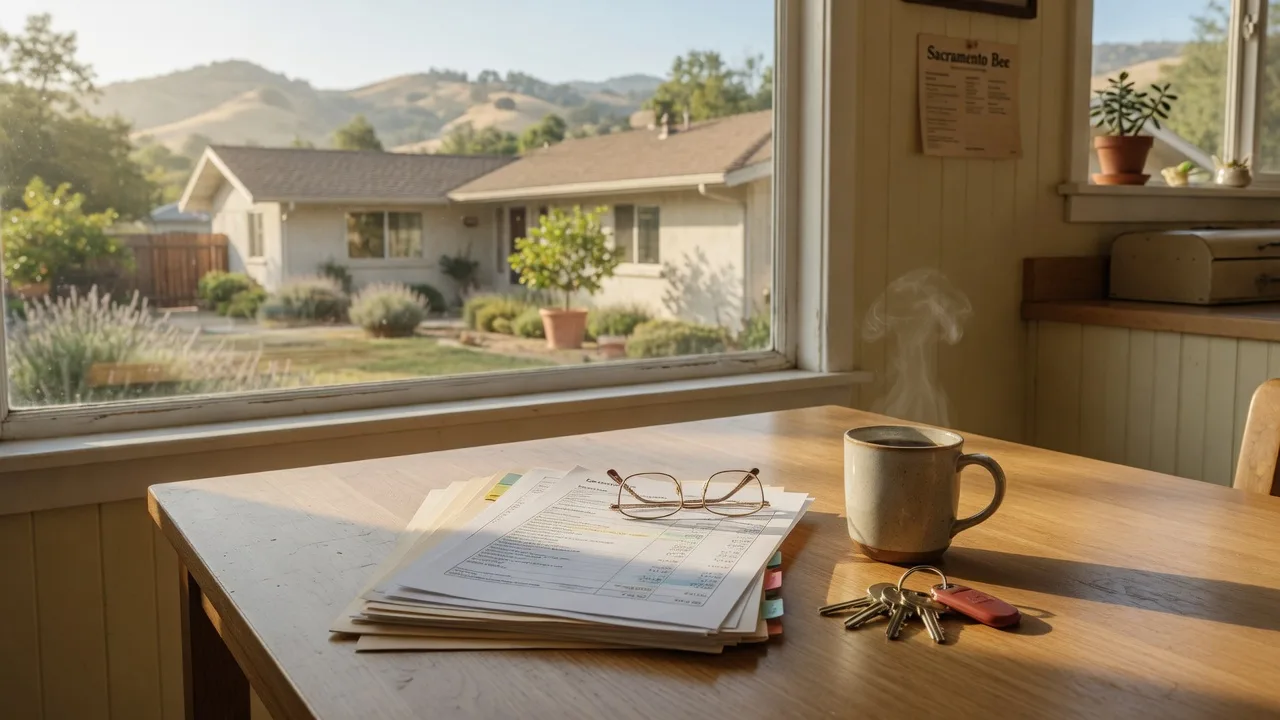
If you are 62 or older and own a home in Sacramento, Yuba City, Plumas Lake, Lincoln, or Wheatland, you have probably heard the phrase "reverse mortgage" and wondered what it really means. Maybe a friend mentioned it, or you saw an ad, and the idea of tapping your home's equity without selling sounds appealing. Here is an honest, plain-English look at how they work in California, how they compare to selling and downsizing, and the questions worth asking first.
What Exactly Is a Reverse Mortgage?
A reverse mortgage, officially a Home Equity Conversion Mortgage or HECM, is an FHA-insured loan backed by the federal government and available to homeowners 62 and older. Instead of making payments to a lender, you draw from the equity you have built up over the years. The money comes to you as tax-free cash, and as long as you stay in the home, there is no monthly mortgage payment. Interest, fees, and mortgage insurance accrue onto the balance over time, and the loan is repaid when the home is sold, when you permanently move out, or after the last borrower passes away.
Who Qualifies, and What Does It Cost?
To qualify in California, you generally need to be at least 62, live in the home as your primary residence, and own it outright or have enough equity to pay off any existing mortgage with the loan proceeds. You also have to pass a financial assessment and complete one-on-one counseling with a HUD-approved counselor before applying, which is a real protection rather than a formality.
The amount you can borrow depends on the youngest borrower's age, current interest rates, and the home's appraised value, capped at the FHA lending limit. Costs to plan for include an upfront mortgage insurance premium of 2% of the value used, an annual mortgage insurance premium of 0.5% of the balance, lender origination fees, an appraisal, counseling, and title and closing costs. None of that is paid up front in cash, but it grows the balance, so it matters when you compare options.
The Responsibilities Don't Go Away
This is the part that surprises many people. With a reverse mortgage, you keep the title and keep living in the home, but you are still responsible for paying property taxes, homeowners insurance, and upkeep, and for keeping the home as your primary residence. If you are away for more than 12 consecutive months, for example while living in a care facility, the loan can become due. For homeowners across the Sacramento Valley who are planning retirement, understanding that ongoing responsibility is just as important as understanding the payment.
Reverse Mortgage vs. Selling and Downsizing
For many homeowners, the real question is not whether a reverse mortgage is good or bad, but whether it fits your goals better than selling and moving. A reverse mortgage can be a smart way to stay in place and free up cash for repairs, healthcare, or travel. Selling and downsizing does something different: it can unlock your equity at once, remove the burden of a large home and yard, and open the door to a walkable or lower-maintenance community in places like Lincoln, Plumas Lake, or historic neighborhoods across the region. My guide to aging in place vs. moving walks through that trade-off in more depth.
What Happens When You Sell or Move
If you later decide to sell, the loan balance, plus accrued interest and mortgage insurance, is paid off from the sale proceeds at closing, and any remaining equity goes to you. If the last borrower passes away, heirs typically have about six months, extendable to 12, to sell the home, refinance into a conventional loan, or repay the loan. Because a HECM is non-recourse, you and your heirs will never owe more than the home is worth, even if the balance has grown beyond its value.
How to Decide
The right answer depends on your health, your plans, and your goals. A reverse mortgage keeps you in your home but adds ongoing responsibilities and costs. Selling and downsizing means a move, but it can simplify your life and put cash in your pocket today. I am not a lender or a tax professional, so always sit down with a HUD-approved counselor and your own advisor before making a decision.
What I can do is help you understand what your home could be worth and what selling would look like in your community. If you are weighing a reverse mortgage against downsizing in Sacramento, Yuba City, Plumas Lake, Lincoln, or Wheatland, let's talk. Schedule a free consultation or send me a message, and we will take it one step at a time, no pressure. You may also find my guides to 55+ communities and using your home equity helpful.